Top Signs Your Brakes Need Immediate Attention
Early warnings to watch for
When it comes to vehicle safety, few systems are as critical as your brakes. They’re the difference between a close call and a collision, especially in real-world driving conditions like traffic congestion, sudden stops, and changing weather. At Paramount Auto Service, we regularly help drivers throughout Woodbury West, Woodbury East, & Hastings, MN understand what their vehicles are telling them—and brakes are one of the most important systems to listen to.
Brake issues rarely appear out of nowhere. In most cases, your vehicle provides clear warning signs long before braking performance becomes dangerous. The challenge is knowing which symptoms matter, what they mean, and when it’s time to take action. In this guide, we’ll break down the most common brake warning signs, explain what’s happening behind the scenes, and share practical advice to help you make informed decisions about brake care.
Why Brake Awareness Matters More Than You Think
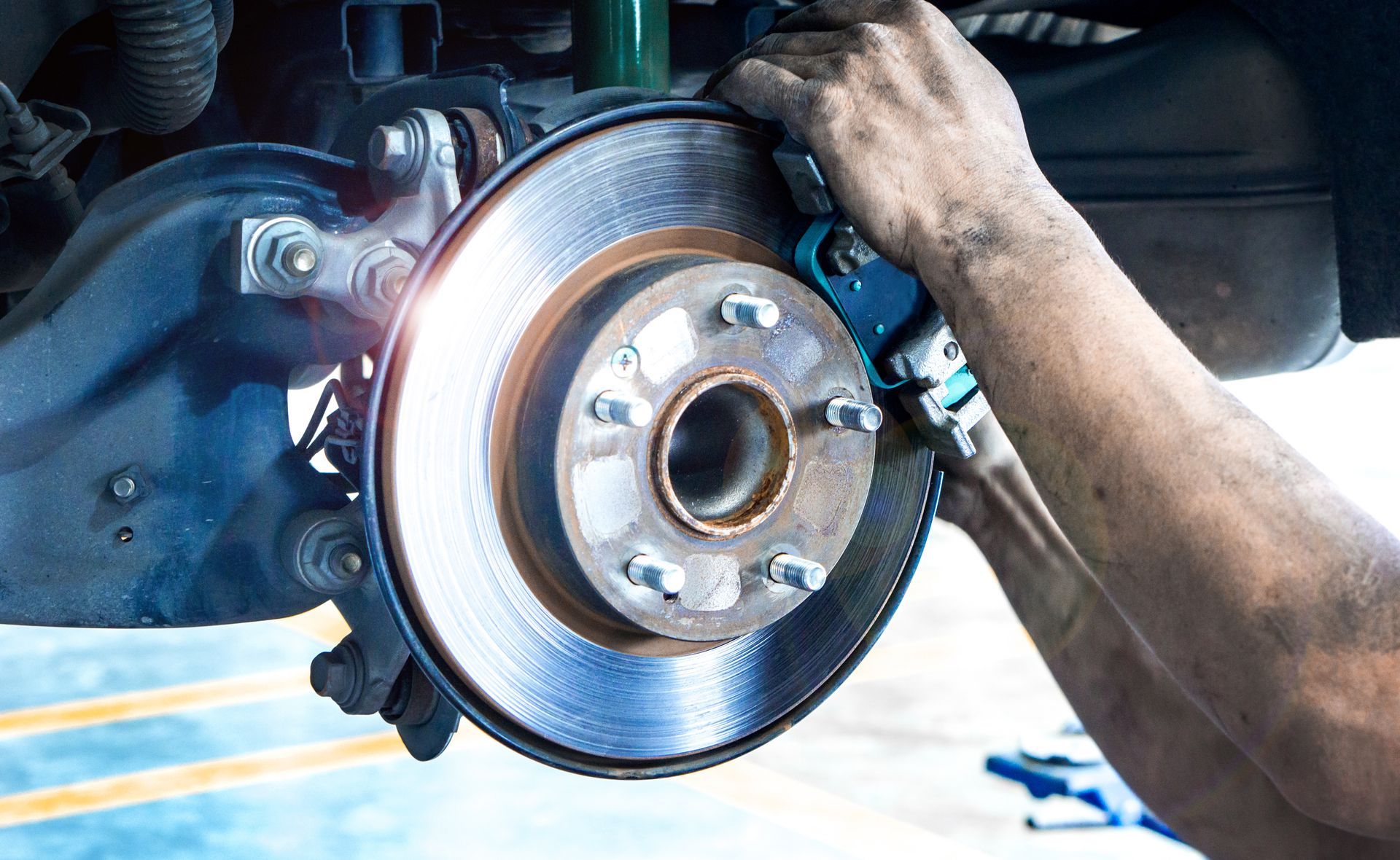
Brakes are a wear-based system. Every time you slow down or stop, friction converts motion into heat, gradually wearing down components like brake pads and rotors. That wear is expected—but ignoring it is where problems begin.
In areas like Woodbury West, Woodbury East, & Hastings, MN, daily commuting, highway driving, and seasonal conditions can accelerate brake wear. Stop-and-go traffic increases friction cycles, while moisture and temperature changes can affect braking components over time. Understanding early warning signs helps prevent minor issues from turning into expensive or dangerous failures.
Squealing, Screeching, or Grinding Noises
One of the most common brake warnings is noise. While not every sound indicates an emergency, certain noises should never be ignored.
A high-pitched squeal often means brake pads are nearing the end of their service life. Many pads are designed with wear indicators that intentionally make noise to alert you. Grinding, on the other hand, usually signals that the brake pads are completely worn, allowing metal components to contact the rotors directly. This can cause rapid damage and significantly increase repair costs.
If you hear persistent or worsening brake noises while driving in Woodbury West, Woodbury East, & Hastings, MN, it’s a strong indication that an inspection is overdue.
Vibration or Pulsation When Braking
If you feel a vibration through the brake pedal or steering wheel when slowing down, that sensation is worth paying attention to. Pulsation often indicates uneven rotor wear or heat-related warping.
Rotors are designed to provide a smooth, flat surface for brake pads to grip. Over time, repeated heating and cooling can cause uneven surfaces, leading to vibration. This doesn’t just affect comfort—it can reduce braking efficiency and steering control.
Drivers sometimes mistake this issue for a suspension or tire problem, but brake-related vibrations are a common cause we see during inspections at Paramount Auto Service across Woodbury West, Woodbury East, & Hastings, MN.
Increased Stopping Distance
If your vehicle seems to take longer to stop than it used to, that’s a serious safety concern. Increased stopping distance can result from worn brake pads, glazed rotors, contaminated brake fluid, or hydraulic issues.
Modern braking systems are engineered for precise response. When performance drops, it usually means one or more components are no longer working as intended. Even small changes in stopping distance can make a big difference during emergency braking situations.
We always recommend addressing this symptom immediately, especially for drivers navigating busy roads and intersections in Woodbury West, Woodbury East, & Hastings, MN.
Brake Warning Light on the Dashboard
Dashboard warning lights exist for a reason, and the brake warning light is one you should never ignore. Depending on the vehicle, this light may indicate low brake fluid, worn pads, or an issue within the braking system’s electronic components.
Some drivers assume the light will turn off on its own or confuse it with other dashboard alerts. However, brake warning lights often point to conditions that directly affect safety.
If the light remains illuminated, it’s a sign that your vehicle needs professional evaluation to determine the exact cause and prevent further issues.
Soft, Spongy, or Unresponsive Brake Pedal
The feel of your brake pedal can reveal a lot about system health. A pedal that feels soft, spongy, or sinks closer to the floor may indicate air in the brake lines, fluid contamination, or hydraulic problems.
Braking systems rely on pressure. When that pressure is compromised, braking response becomes unpredictable. This condition can worsen quickly and should be addressed as soon as it’s noticed.
Drivers throughout Woodbury West, Woodbury East, & Hastings, MN often notice this symptom during routine driving, especially in traffic where frequent braking highlights changes in pedal feel.
Vehicle Pulling to One Side While Braking
If your vehicle pulls left or right when you apply the brakes, it’s a sign that braking force isn’t being distributed evenly. This can be caused by uneven pad wear, caliper issues, or hydraulic imbalance.
Aside from reduced braking efficiency, pulling can increase tire wear and affect steering stability. It’s also an indicator that the braking system may be placing stress on other vehicle components.
Correcting this issue early helps restore balanced braking and protects overall vehicle handling.
Burning Smell After Driving
A sharp or chemical-like burning smell after braking—especially following heavy braking or driving downhill—can indicate overheated brake components. Excessive heat can reduce braking effectiveness and accelerate wear.
Occasional heat smell during extreme braking isn’t unusual, but persistent odors suggest a problem such as sticking calipers or worn components. Continuing to drive without inspection may lead to brake fade or system damage.
Why Early Brake Service Saves Money
One of the biggest misconceptions about brake repair is that delaying service saves money. In reality, early brake maintenance often reduces long-term costs. Replacing worn pads on time can prevent rotor damage, while addressing fluid or hardware issues early protects the entire system.
At Paramount Auto Service, we focus on educating drivers across Woodbury West, Woodbury East, & Hastings, MN so they understand the value of timely brake care—not just for safety, but for long-term vehicle ownership.
How Often Should Brakes Be Inspected?
There’s no single mileage rule that applies to every driver. Braking needs vary based on driving habits, vehicle type, and road conditions. However, we generally recommend having brakes inspected at least once a year or anytime you notice a change in braking performance.
Routine inspections help identify wear patterns and allow you to plan service proactively rather than reactively.
Staying Proactive About Brake Safety
Your brakes are constantly communicating with you. Sounds, sensations, and warning lights are all part of that conversation. Paying attention to these signals empowers you to make informed decisions and avoid unnecessary risk.
For drivers in Woodbury West, Woodbury East, & Hastings, MN, understanding brake warning signs is one of the simplest ways to protect yourself, your passengers, and everyone else on the road.